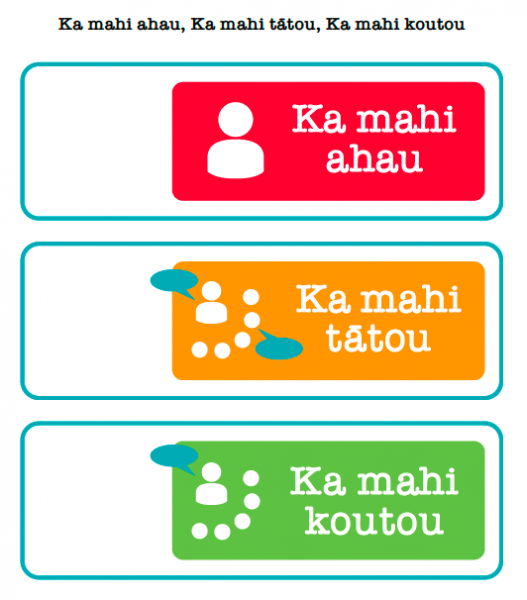
Includes: a poster and individual cards
Focus: identifying the learning focus for activities
Vocabulary learning is a very important part of our literacy programme. A student needs approximately 12 instructional encounters to fully know a word (Stahl & Nagy, 2006; Beck et al., 2002).
We believe that vocabulary should be taught in context so that students learn the words and then read and use the new words as a natural and embedded activity. This can easily be incorporated into our whole-class reading instruction.
Here are some simple steps:
You can plan a follow-up vocabulary activity for students to complete based on the new words. This works well on a Monday when the words are first introduced.
The Frayer chart is an excellent activity to use.
Related resources - Books
The Oral Language Book
The Poetry Book
Related resources - On-demand workshops
An introduction to shared reading (Juniors)
An introduction to shared reading (Seniors)
Includes: a poster and individual cards
Focus: identifying the learning focus for activities
Focus: developing vocabulary
Focus: providing opportunities for students to practise speaking and listening skills in the context of an everyday conversation